%20-%20Made%20with%20PosterMyWall.jpg?width=500&height=500&name=TM%20JLE%205%20(1)%20-%20Made%20with%20PosterMyWall.jpg)
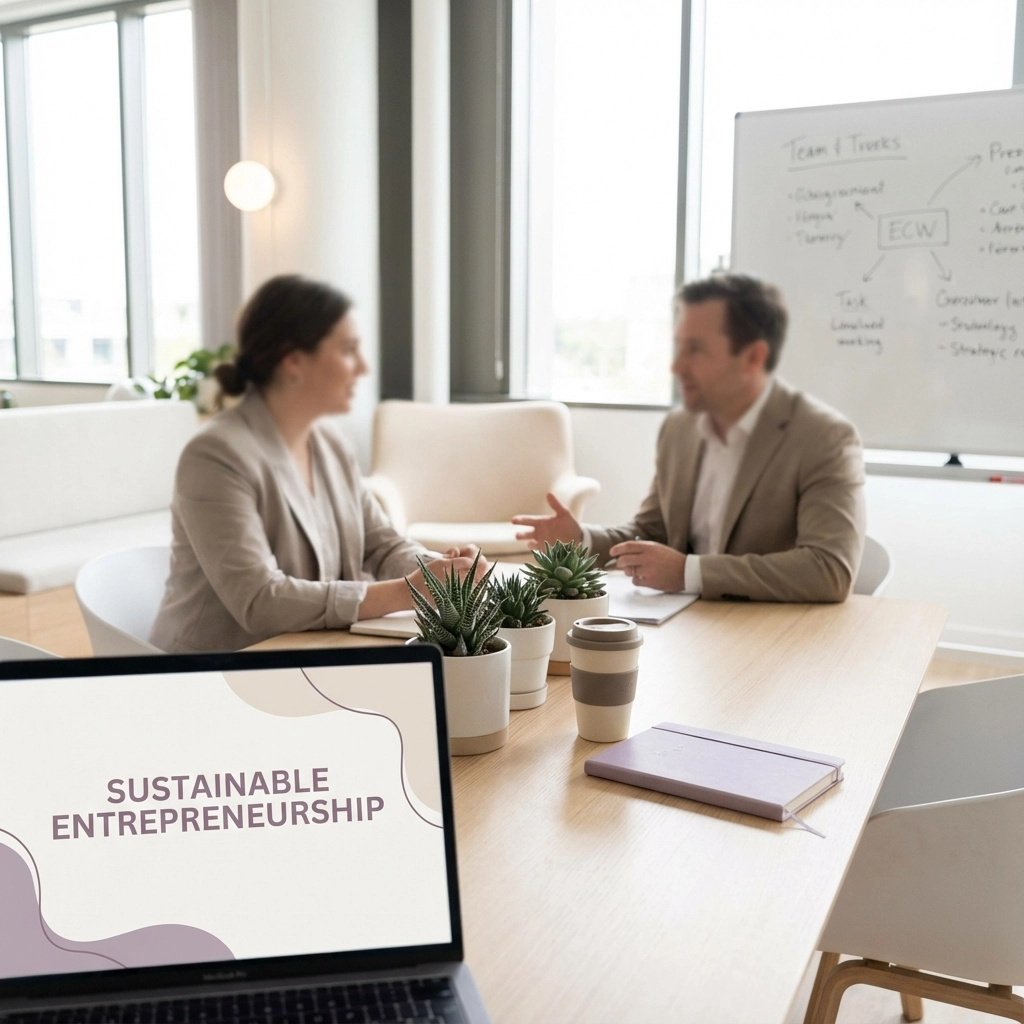
You've probably noticed it everywhere: from your LinkedIn feed to business podcasts to that entrepreneur friend who won't stop talking about their "triple bottom line." Sustainable entrepreneurship isn't just another buzzword that'll disappear next quarter. It's a fundamental shift in how we think about building businesses, and frankly, it's about time.
But here's what's really interesting: 75% of millennials actively care about the planet and are willing to spend more on eco-friendly products and services. That's not just a nice statistic: that's your customer base telling you exactly what they want.
So why is everyone talking about sustainable entrepreneurship? Because it solves a problem most entrepreneurs didn't even realize they had: how to build a profitable business that actually makes the world better.
The Market Is Demanding It (And Paying Premium for It)
Let's get real about what's driving this conversation. Your potential customers: especially millennials and Gen-Zers: aren't just asking for sustainable options anymore. They're demanding them.
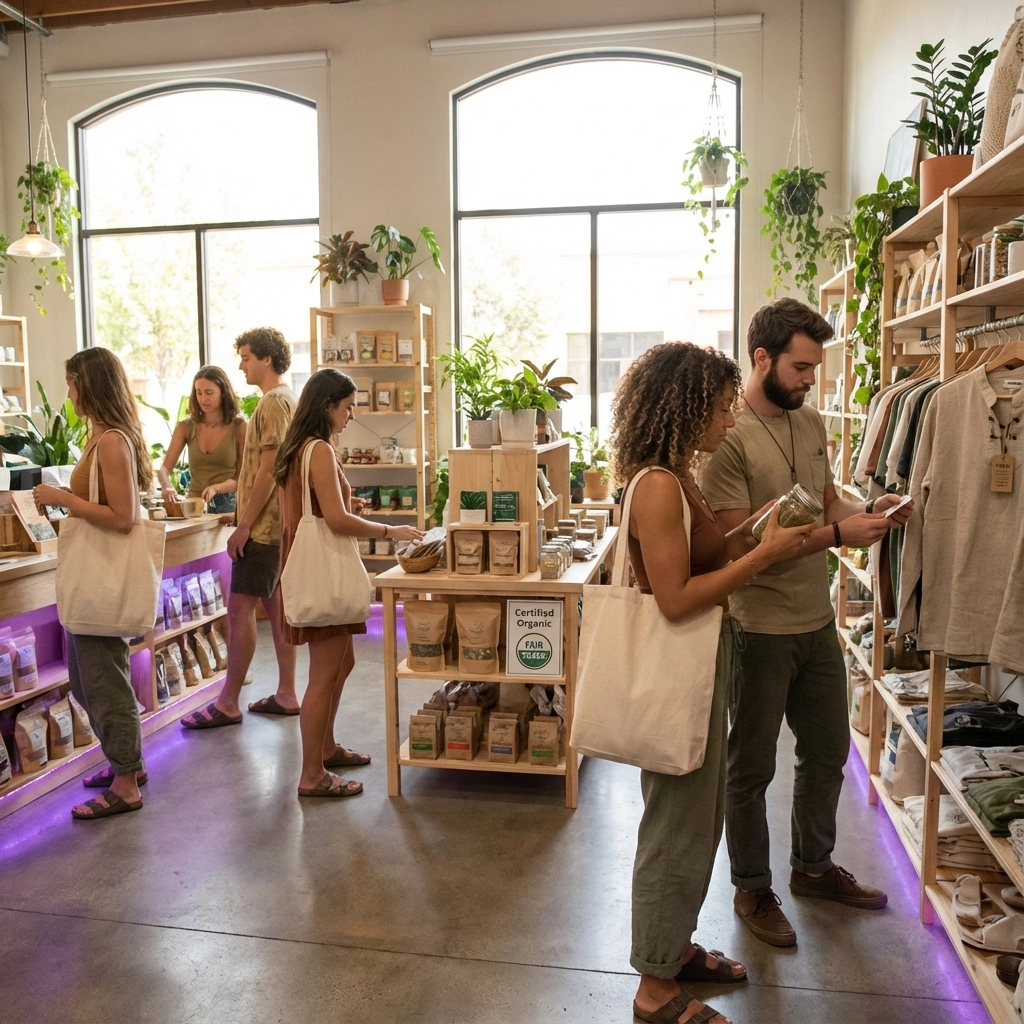
This isn't about feel-good marketing. This is about cold, hard market forces:
- Premium pricing power: Sustainable products regularly command 10-20% higher prices
- Customer loyalty: Eco-conscious consumers stick with brands that align with their values
- Word-of-mouth marketing: Nothing spreads faster than a business that genuinely cares
- Future-proofing: As regulations tighten, sustainable businesses are already ahead of the curve
Think about it: when was the last time you chose the cheaper option that went against your values? Your customers are making the same calculations every day.
The Financial Benefits Are Real (And They're Spectacular)
Here's where sustainable entrepreneurship gets really interesting for business-minded people. It's not just good for your conscience: it's good for your bottom line.
Lower Operating Costs: Energy-efficient systems, waste reduction, and sustainable supply chains don't just help the planet: they slash your overhead. Companies typically see 15-25% reductions in operating costs within the first two years.
Access to Green Funding: There's a whole ecosystem of grants, loans, and investor money specifically earmarked for sustainable ventures. We're talking about billions of dollars looking for the right entrepreneurs.
Tax Benefits: Governments at every level offer tax breaks, credits, and incentives for businesses that prioritize sustainability. It's like getting paid to do the right thing.
ESG Investment: Environmental, Social, and Governance (ESG) considerations are now standard in investment decisions. If you want serious funding, sustainability isn't optional: it's expected.
It's Not Just Business: It's Personal
Here's something the business books don't always tell you: sustainable entrepreneurship feels different. When you're building something that solves real problems: climate change, social inequality, resource depletion: work stops feeling like work.

The mental health benefits are documented and significant:
- Higher job satisfaction from meaningful work
- Stronger community connections through shared values
- Reduced anxiety about your business's impact on the world
- Enhanced creativity from tackling complex, interconnected challenges
If you've ever felt like traditional entrepreneurship was missing something, this might be what you were looking for.
The Competitive Advantage Is Massive
In a crowded marketplace, sustainable businesses stand out like neon signs. While your competitors are still competing on price and features, you're competing on values and vision.
This differentiation creates what economists call "monopolistic competition": you're not just selling a product or service, you're selling a worldview. And worldviews are much harder to copy than products.
Customer Acquisition: Sustainable businesses often see lower customer acquisition costs because their messaging resonates deeply with their target audience.
Employee Retention: Top talent increasingly wants to work for companies that align with their values. Sustainable businesses report 25-30% lower turnover rates.
Partnership Opportunities: Other sustainable businesses want to work with you, creating a network effect that traditional businesses struggle to access.
How to Get Started (Without Getting Overwhelmed)
The beauty of sustainable entrepreneurship is that it doesn't require you to save the world on day one. It starts with asking better questions about your business model.
Instead of just "Will this make money?" ask:
- Will this solve a real problem for real people?
- Can I do this without harming the environment?
- Will this create jobs and opportunities in my community?
- Is this business model sustainable for the long term?

Start With Your Niche: The most successful sustainable entrepreneurs don't try to boil the ocean. They find their specific niche and serve it exceptionally well. Our 5 Secrets to Finding Your Niche course walks you through exactly how to identify where your skills, passions, and market needs intersect.
Build the Right Foundation: Before you can save the world, you need to build a business that works. Our Start with Success Crash Course covers the fundamentals every sustainable entrepreneur needs to know.
Set Meaningful Goals: Sustainable entrepreneurship requires different goal-setting approaches than traditional business. You're balancing profit with purpose, growth with impact. Our Goal Digging course helps you create goals that serve all your stakeholders: including the planet.
The Innovation Factor
Sustainable entrepreneurship forces you to think differently, and different thinking leads to breakthrough innovations. When you can't rely on cheap labor, environmental shortcuts, or exploitative practices, you have to get creative.
This constraint breeds innovation. Some of the most exciting business models, technologies, and social innovations of the past decade have come from entrepreneurs who were trying to solve sustainability challenges.
Circular Economy Models: Instead of take-make-waste, how can you create closed-loop systems?
Shared Value Creation: How can you create value for customers while creating value for society?
Technology Integration: How can technology help you achieve sustainability goals while improving customer experience?
The Network Effect
One of the unexpected benefits of sustainable entrepreneurship is the community you become part of. Sustainable entrepreneurs tend to be collaborative rather than competitive. They share resources, refer customers to each other, and work together to solve bigger problems.
This isn't just nice: it's smart business. Your network becomes your net worth, and the sustainable entrepreneurship network is particularly generous with knowledge, connections, and opportunities.

Making It Practical
Ready to explore sustainable entrepreneurship for your own venture? Here's your action plan:
Week 1: Audit your current business idea (or existing business) through a sustainability lens. Where are the opportunities to reduce environmental impact while increasing profitability?
Week 2: Research your target market's values and priorities. How important is sustainability to them? What would they pay extra for?
Week 3: Identify three sustainable practices you could implement immediately: even before launching or while running your current business.
Week 4: Connect with other sustainable entrepreneurs in your area or industry. Start building that network now.
The conversation about sustainable entrepreneurship isn't going anywhere: it's only getting louder. The question isn't whether you should pay attention to this trend. The question is whether you want to lead it or follow it.
Your future customers are already making their choice. Your future employees are already making their choice. Your future investors are already making their choice.
What choice will you make?
Ready to dive deeper into building a business that matters? Check out our complete course library or browse our business resources to find the tools you need to build your sustainable venture. Because the world needs more entrepreneurs who care about more than just profit: it needs entrepreneurs who understand that profit and purpose aren't opposites, they're partners.